г. Ташкент, Мирабадский район, МСГ Лолазор, ул. Мирабад, дом 33, кв. 34 (Toshkent shahri, Mirobod tumani LOLAZOR MFY, MIROBOD KO'CHASI, 33-UY, 34-XONA)
г. Ташкент, Мирабадский район, МСГ Лолазор, ул. Мирабад, дом 33, кв. 34 (Toshkent shahri, Mirobod tumani LOLAZOR MFY, MIROBOD KO'CHASI, 33-UY, 34-XONA)
Located just around the corner, Sinxtkelyx saves you time with instant access to fresh daily groceries and household items.
We carefully inspect every delivery of dairy, bread, and drinks so you only take home fresh and reliable goods.
Our compact aisles are organized for quick navigation, letting you grab what you need and pay in seconds.
We track our daily operations closely to ensure shelves stay full and local families find exactly what they need right in the neighborhood.

Over five years operating
403
Thousands of items stocked
45351
Daily morning deliveries
3741

Minutes saved per trip
21976

Hundreds of regular shoppers
64260
Modern urban life moves at a fast pace, leaving little room for lengthy grocery excursions in distant retail parks. People want their food fresh, their drinks cold, and their household necessities within walking distance of their front door.
A well-run neighborhood convenience store fills this gap by acting as a reliable anchor for local residents who value speed and personal connection over massive trolley lines.
Stocking a compact mini-market requires rigorous curation rather than endless shelf space. Every square meter must earn its keep by holding items that people consume on a weekly or daily basis. Store managers analyze local habits to ensure that dairy, eggs, fresh bakery items, and basic pantry staples never run out.
Instead of offering fifty different brands of cereal, a corner shop focuses on the three or four most trusted options that families actually buy. This approach prevents decision fatigue for shoppers who just want to grab a quick carton of milk and head home.
By keeping inventory tight and turnover high, the shop guarantees that products do not sit on shelves gathering dust. Shoppers quickly learn to trust the freshness of the perishable goods because new batches arrive before older ones expire.
Shopping for food once a week often leads to wasted produce and forgotten ingredients. Convenience stores encourage a more fluid, organic approach to meal preparation where people buy only what they intend to cook that very evening.
A quick glance into the refrigerator before leaving the apartment dictates what enters the shopping basket minutes later. This style of shopping reduces food waste in local households and ensures that dinner always features fresh ingredients rather than items that have lingered in a crisper drawer for days.
Children often run down to the store for an afternoon snack, while parents pick up missing spices right before starting the stove. The physical proximity transforms the grocery run from a weekend chore into a seamless part of the daily routine.
In a massive supermarket, shoppers remain anonymous figures pushing metal carts past endless rows of impersonal displays. Neighborhood retail operates on an entirely different human scale where cashiers recognize regular customers by name and remember their preferences.
This familiarity creates a sense of safety and community trust that digital delivery apps struggle to replicate. When a new brand of tea arrives or a seasonal fruit comes into season, the staff can offer genuine recommendations based on what local families enjoy.
Store employees monitor inventory levels continuously throughout the day, adjusting orders in real time when local demand spikes for specific drinks or snacks during warm weather. They act as local curators who keep the neighborhood fueled and supplied.
Big box stores demand planning, driving, parking, and long walks through massive warehouses just to buy a loaf of bread. Neighborhood convenience stores strip away that friction, returning precious hours to the consumer's day.
By maintaining a focused selection of everyday groceries and household goods right around the corner, these small markets prove that convenience is not about luxury. It is about having what you need, exactly when you need it, without complication.
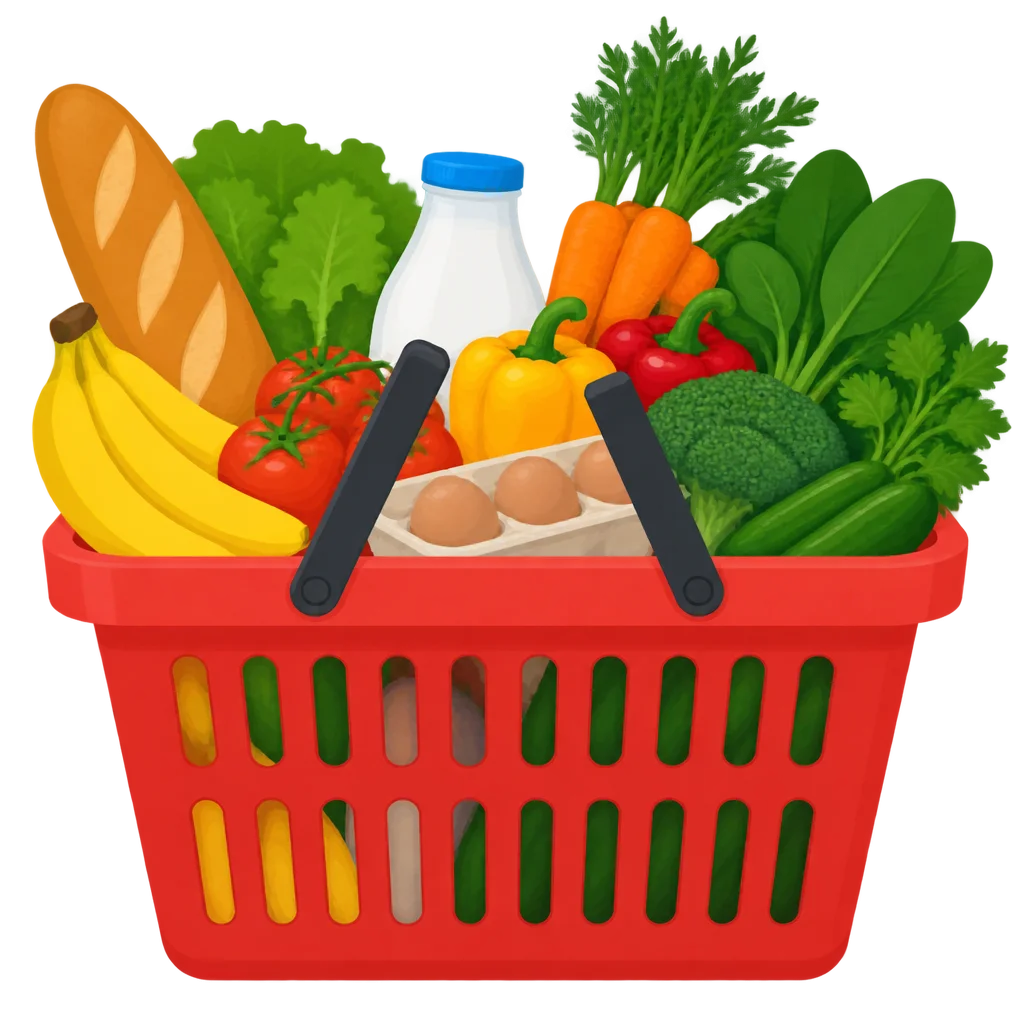
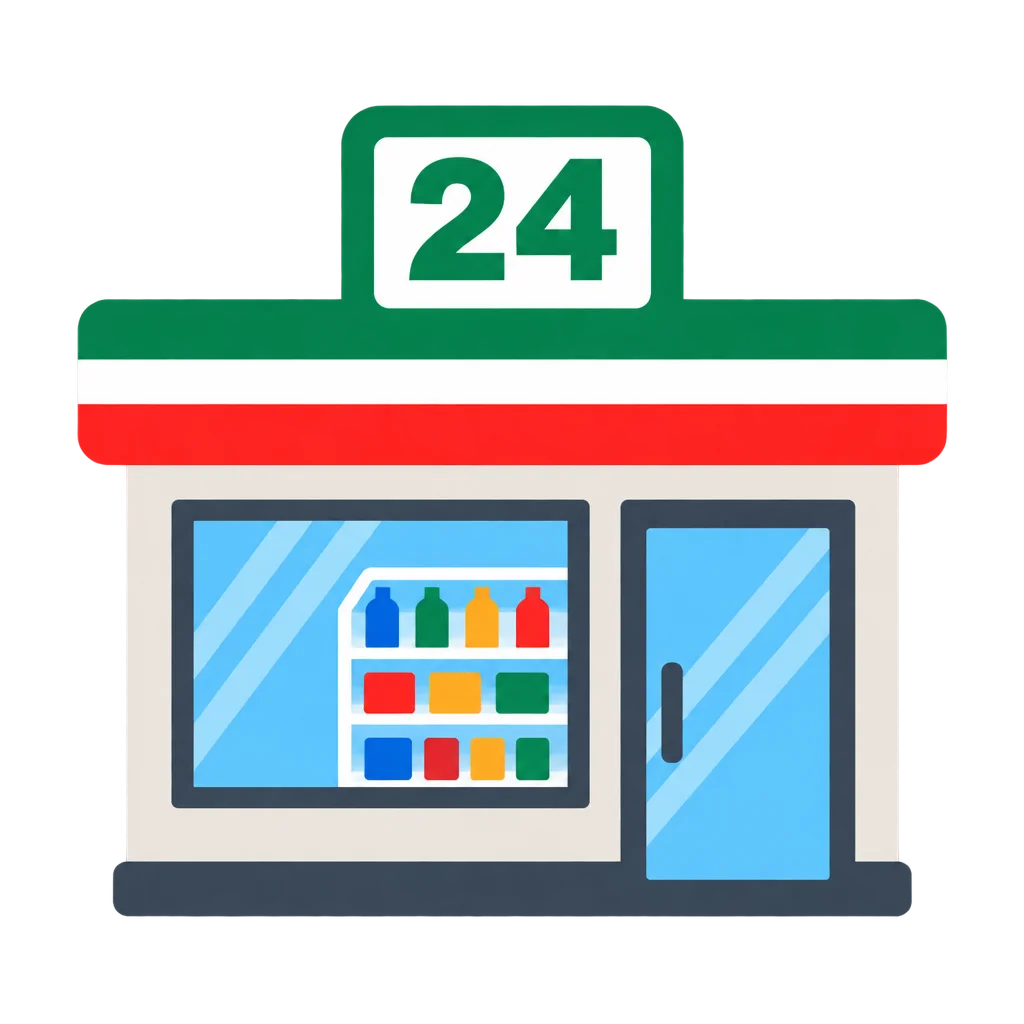
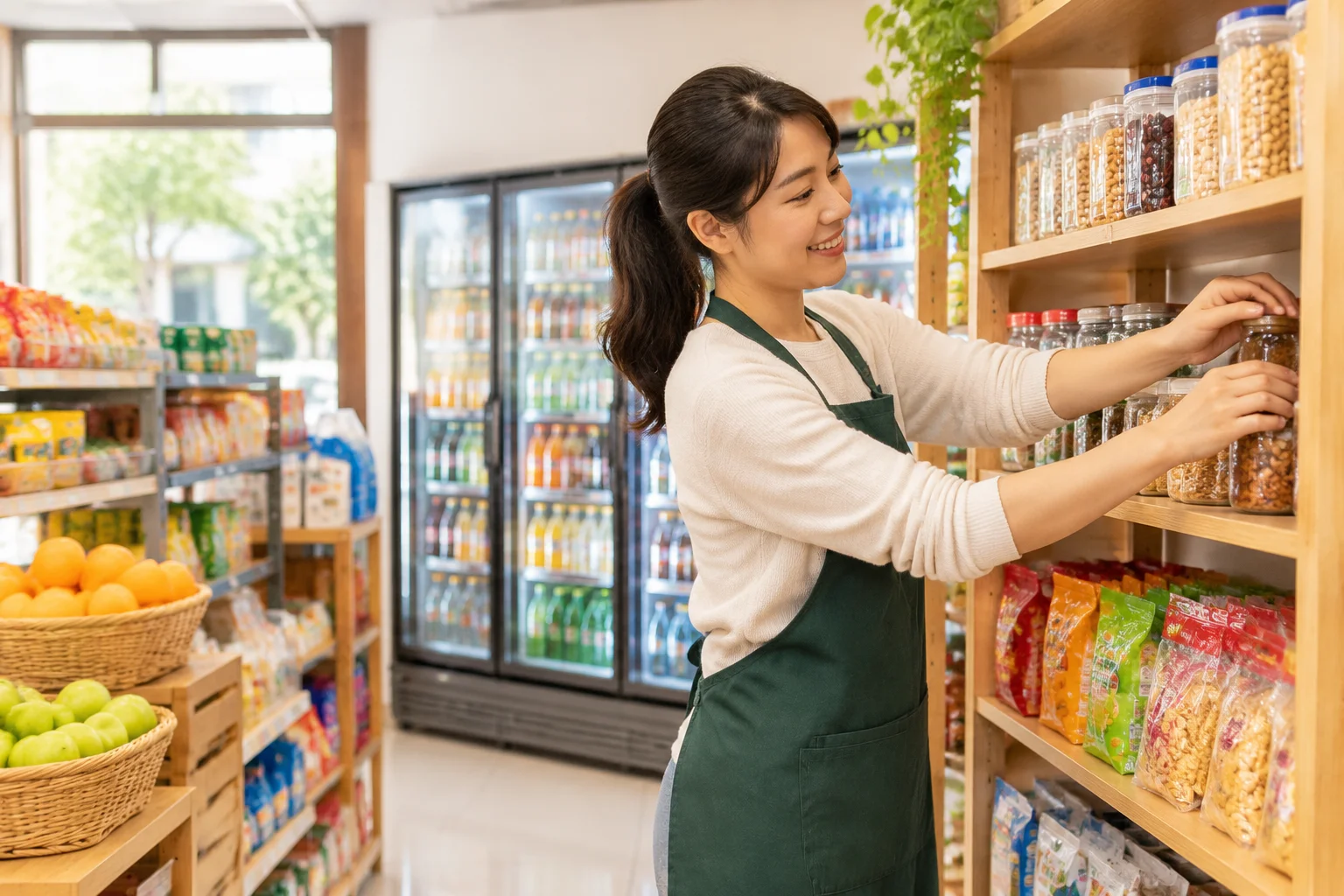
Store staff check expiration dates and arrange products neatly on shelves for quick and effortless browsing.
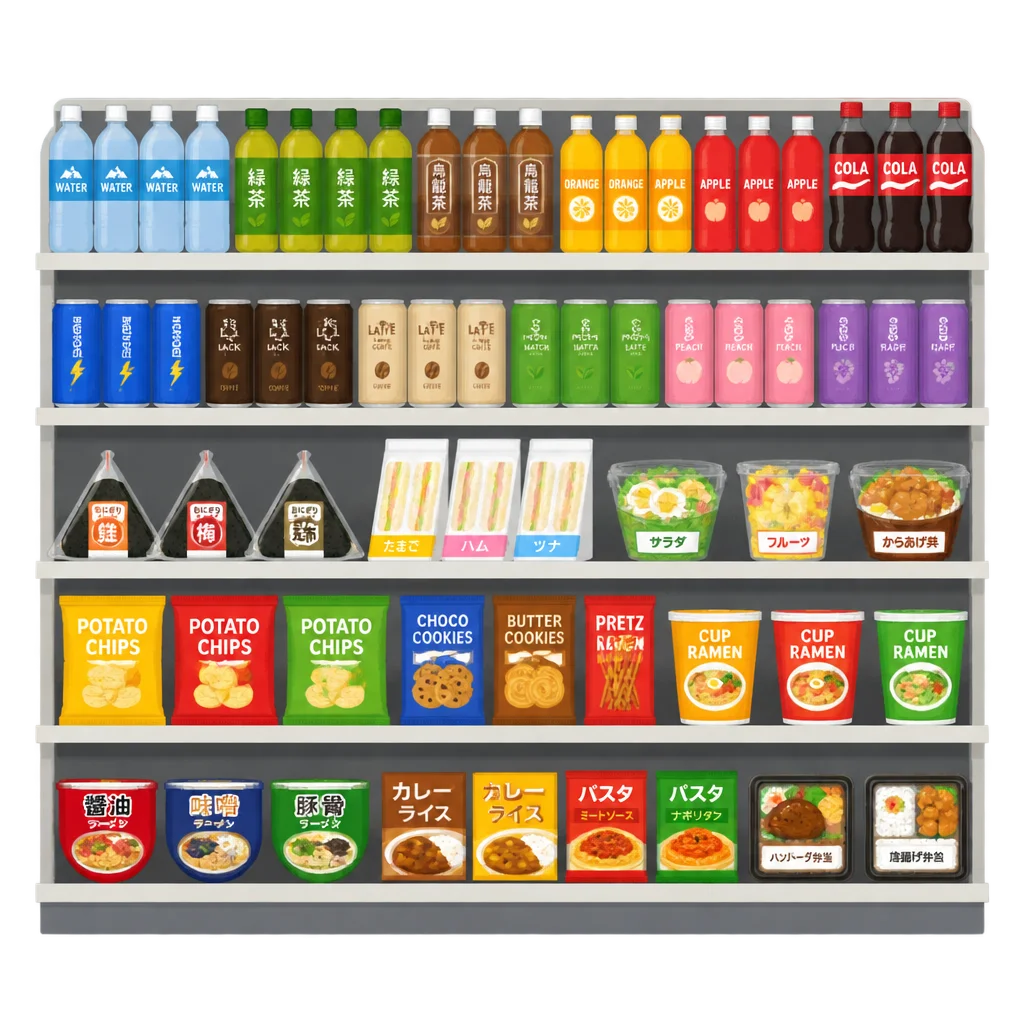
Local suppliers deliver fresh dairy, seasonal vegetables, and baked goods to our store every single morning.
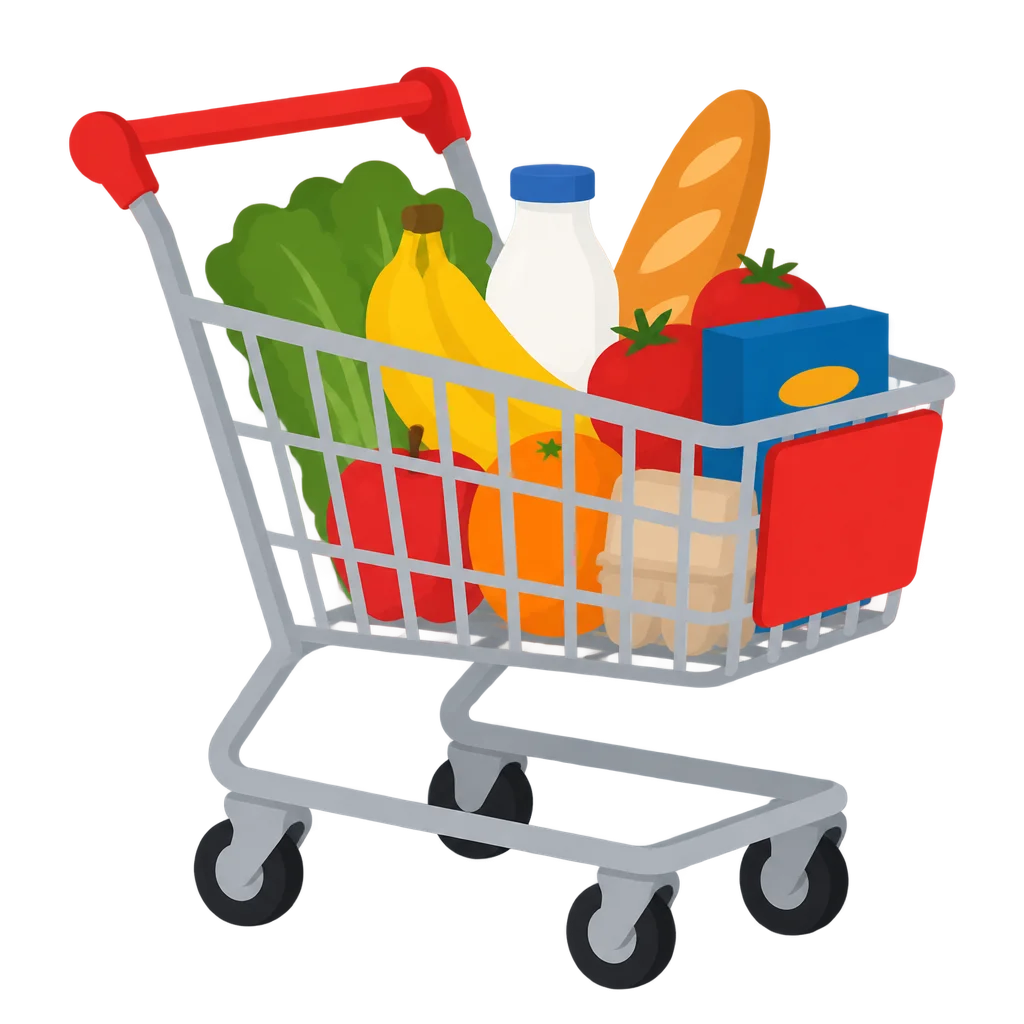
Shoppers pick up their daily essentials and complete fast checkouts at the register without long queues.

I love that the vegetables and dairy arrive fresh every single morning. It feels like having an extension of my own kitchen pantry right downstairs in the building.

Stopping by Sinxtkelyx on my way home from work is extremely convenient. I can grab fresh milk and bread in under two minutes without dealing with massive hypermarket parking lots.

Quick trips for missing ingredients used to be a chore until this store opened nearby. The cashiers are always friendly, and the checkout process takes virtually no time at all.

The staff keeps the aisles remarkably clean and well organized. Whenever I need a quick drink or household supply late in the evening, this little mini-market always has it ready.








Timur Karimov
Store Manager

Malika Saidova
Inventory Specialist

Sanzhar Usmanov
Head Cashier

Nilufar Rahimova
Logistics Coordinator